The Difference Between a Hair Oil, a Hair Serum, and a Leave-In — And Why It Matters More Than You Think
Skip to:
Ever stood in your bathroom staring at hair oil, a serum, and a leave-in, and wondered if you actually need all three? They look similar, feel similar, and their marketing language blurs together.
But each has its own distinct job, and using the wrong product the wrong way can leave hair greasy, limp, or frizzy, no matter how good that product actually is.
This guide breaks down what each product actually is, what it's formulated to do, and how to use them together (or not) depending on your hair.
Quick Orientation: What We're Actually Talking About
Hair Oil
What It Is: Lipid-based formula
Primary Job: Seals the cuticle, adds shine, reduces friction
Hair Serum
What It Is:
Lightweight formula (silicone, polymer, water, or cream-based. Never oil)
Primary Job:
Coats or smooths the hair surface; job varies by formula
Leave-In Treatment
What It Is: Conditioning formula left in the hair, water-based or oil-based
Primary Job: Hydrates, detangles, strengthens, or protects, depending on formula
Quick but important distinction: not every leave-in is a "leave-in conditioner." Some, like Color Wow Dream Cocktails, are more concentrated treatments than conditioners, formulated to address a specific issue (breakage, dryness, thinness) rather than provide general, everyday conditioning.
We'll use "leave-in treatment" throughout this guide since it's the more accurate umbrella term.
Hair Oil: What It Is and What It Actually Does
The Science Behind Hair Oil


What Hair Oil Is Best For...
-
Color-treated hair that's lost surface lipids due to chemical processing
-
High-porosity hair (often chemically treated or heat-damaged) that loses moisture quickly
-
Adding shine as a finishing step
-
Taming flyaways without stiffness
What Hair Oil Is NOT Best For...
-
Deep hydration (it's not water-based, so it can't penetrate the cortex)
-
Adding volume (it tends to weigh fine hair down)

Hair Serum: What It Is and What It Actually Does
The Science Behind Hair Serum

Because of that, serums can be formulated for very different purposes:
-
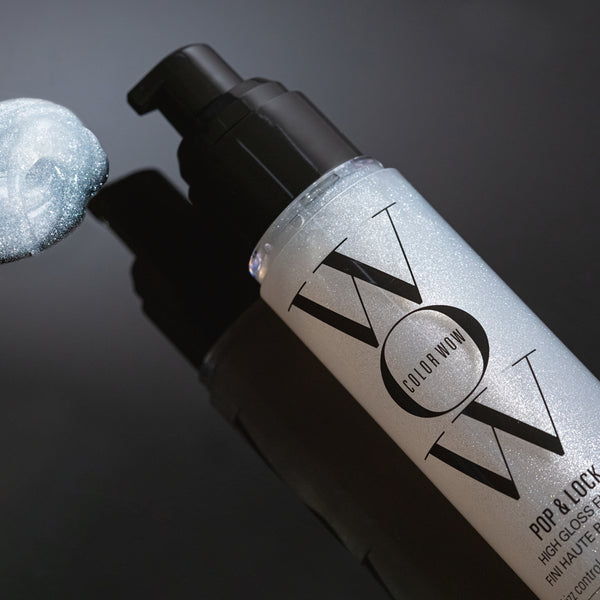
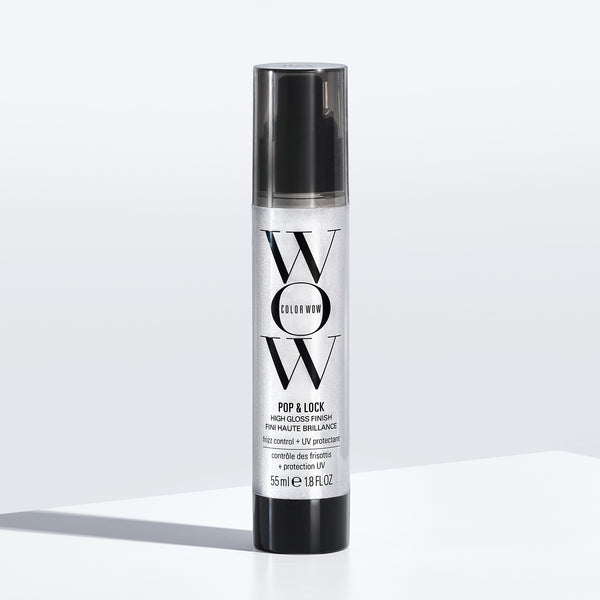
Frizz control and shine - polymer-based serums coat the hair shaft in a thin, flexible film that shields against humidity. A smoothing serum like Pop & Lock Frizz Control & Glossing Serum gives you a glassy finish without feeling stiff.
-
Detangling - a serum applied to wet or damp hair can add slip and make combing easier
-
Curl definition - curly-hair serums are formulated to enhance and define curl pattern rather than smooth it out
-
Hydration and repair - water-based serums deliver lightweight moisture or active ingredients rather than to seal the surface at all
When to Apply Hair Serum
Most smoothing and anti-frizz serums go on damp hair or dry hair as a finishing step, while curl-defining and hydrating serums are applied to damp curls as a part of styling.
Check your specific product's directions, since application varies by formula.
Leave-In Treatment: What It Is and What It Does
The Science Behind Leave-In Treatments


Leave-in treatments are conditioning formulas that stay in the hair rather than rinsing out.
Mostly water-based, they work at the cortex level to deliver deep hydration.
Sometimes, leave-in treatments can be oil-based and designed to sit on the surface rather than penetrate.
Leave-in treatments can be formulated for very different purposes:
-
Hydration and detangling - a water-based leave-in with humectants and conditioning agents that makes wet hair easier to comb through and adds slip
-
Strengthening and repair - treatments formulated to reinforce weak or damaged strands, like the Color Wow Dream Cocktail treatments, which are designed to be blow-dried in as a treatment step rather than used simply as a conditioner
-
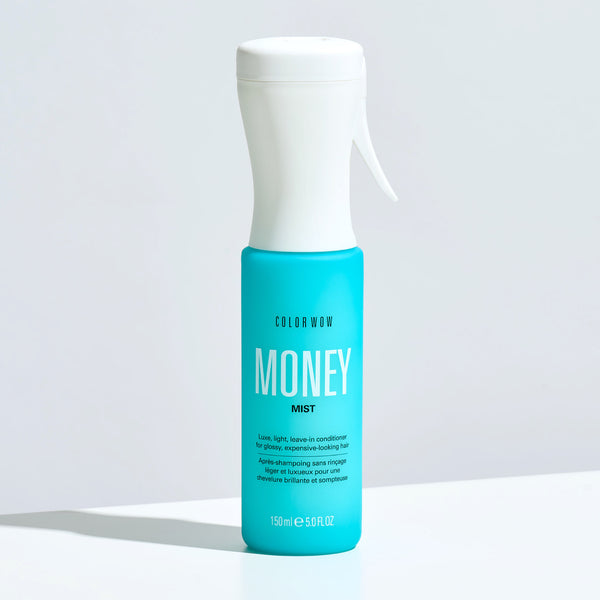
Heat protection - Money Mist is a leave-in that has built-in heat protection along with hydration and shine benefits
-
Frizz control from the inside out - some leave-ins are formulated to reduce frizz at the cuticle level rather than just adding moisture
The takeaway: check what a specific leave-in treatment is formulated to do. Don't assume it only detangles, only hydrates, or only preps hair for the next product. Many multitask!

When to Apply Leave-In Treatment
Most leave-in treatments go on freshly washed, towel-blotted damp hair, when the cuticle is slightly open and receptive.
Oil-based leave-ins are the exception and are applied to dry hair instead. Always follow the specific product's directions.
How to Layer Without Buildup
There's no single "correct" order that applies to every product, since serums and leave-ins can be formulated so differently.
That said, a reliable general approach for most routines is:
The Golden Rule: Water → Conditioner → Serum → Oil
Leave-In Treatment (damp hair)
Serum (damp to dry, depending on formula)
Oil (dry hair, if using)
A few notes on why this generally works:
-
A water-based leave-in delivers moisture while the cuticle is still open
-
A smoothing or protective serum can lock that moisture in as hair dries
-
Oil, if you use one, seals the surface and adds shine as a final step
One important note: you don't always need to use a serum and an oil. Depending on the serum's formulation, layering an oil can be redundant or counterproductive, especially for fine hair.
Think of it as "serum and/or oil" based on your hair's needs, not a mandatory two-step finish.
How Hair Type Changes Everything
 Fine or Low-Density Hair
 Thick, Coarse, or High-Porosity Hair
 Curly and Coily Hair
 Color-Treated Hair
Common Mistakes and How to Fix Them
Mistake 1: Applying oil to soaking wet hair
Water dilutes oil and keeps it from sealing the cuticle. Blot hair first, then apply your leave-in treatment, and save oil for when hair is mostly dry.
Mistake 2: Layering a water-based leave-in over a serum
A silicone or polymer serum forms a surface film, so a water-based leave-in applied on top can't penetrate. Generally, leave-in treatment first, serum second.
Mistake 3: Applying oil or serum too close to the roots
Your scalp produces its own oil. Adding more at the root tends to create flatness and greasiness. Apply oils and most serums to mid-lengths and ends.
Mistake 4: Skipping leave-in treatment for fine hair
Fine hair without any hydration is more prone to frizz and static, and styling products don't grip as well on dry strands.
A lightweight leave-in like Money Mist is a good option for fine hair that needs protection without weight.
Mistake 5: Applying serum to hair with heavy product buildup
Residue on the hair shaft can prevent a serum from bonding evenly, leading to a coated feel instead of a smooth finish.
A monthly clarifying step or a mineral-removing pre-shampoo treatment (like Dream Filter) helps reset the hair's surface.
Frequently Asked Questions
Can I use a hair serum and a hair oil together?
Sometimes, but not always. It depends on the serum's formula and your hair's density. Fine hair often does better with just one or the other, while thick or high-porosity hair may benefit from both.
What's the difference between a leave-in treatment and a rinse-out conditioner?
Concentration and intent. Rinse-out conditioners are typically more concentrated and designed to be washed away after a few minutes.
Leave-in treatments are formulated to stay on the hair, which is why they range so widely in strength and purpose, from a light detangling mist to a deep-repair treatment.
Is hair oil the same as a hair serum?
No. Hair oil is lipid-based and works by filling gaps in the cuticle. Hair serum is a category of hair products, and its job depends entirely on the specific formula.
Do all leave-in treatments protect against heat?
Some, but not all! Formulas like Money Mist and the Dream Cocktail Treatments include built-in heat protection, while others are formulated purely for hydration or detangling.
Check the product label for heat protection claims rather than assuming.
What's the best option for color-treated hair?
Color-treated hair benefits from a leave-in treatment that restores moisture lost during coloring, along with a serum or finishing product that helps protect color vibrancy.
Hair oil, hair serum, and leave-in treatment aren't interchangeable, but they're also less rigidly defined than most advice suggests.
Oil seals the surface, leave-in hydrates, strengthens, or protects, and serum is a texture category (not a single function) built for different purposes depending on the product.
Check what each specific product is formulated to do and layer based on your hair's needs, not a one-size-fits-all rule.
Not sure which combination is right for your hair? Take our Hair Quiz or browse our blog to find your routine.