Winter can be tough on your hair. Cold air, indoor heat, heat styling, and friction from hats and scarves can leave strands rougher, drier, and more prone to breakage.
But what’s actually happening to your hair when temperatures drop? According to Color Wow Chief Chemist Dr. Joe Cincotta, PhD, one of the biggest factors is the very low humidity levels that come with cold weather.
Understanding the science of how cold weather affects your hair, what signs to watch for, and how expert-backed steps and products can help protect it.
How Does Cold Weather Affect Your Hair?
When temperatures drop, so does the amount of moisture in the air.

As Dr. Joe explains: “My biggest concern regarding colder weather is the very low humidity levels in the cold air. When your hair is exposed to the low humidity levels, water molecules inside the hair will migrate out of the hair shaft leaving the hair feeling and looking dry.”
Indoor heating can compound the problem by creating another dry environment. Together, the cold, low-humidity air outside and dry, heated air inside can leave hair more prone to frizz and split ends—and looking limp and lackluster.
The winter hair problem, in a nutshell:
Low humidity outside + dry indoor heat = more moisture loss from your hair
That helps explain why many hair concerns seem to reappear every winter.
Winter Hair Damage: 6 Signs Cold Weather Is Taking a Toll
Winter doesn’t affect everyone’s hair in the same way. For some, hair can get rougher and drier. For others, it looks like static, flat roots, or an explosion of frizz.
Here are six common signs your hair may need some extra attention during colder weather.
1. Dryness

Cold air outside and heated air inside can leave hair feeling dry and brittle. As Dr. Joe explains, low humidity causes water molecules inside the hair to migrate out of the hair shaft.
That loss of moisture leaves strands noticeably drier than other times of the year.
2. Flat, Limp Hair

Winter hats, scarves, and hoods can physically flatten your style, while the lack of humidity can make maintaining volume more challenging.
The result can be hair that looks limp almost as soon as you step outside.
3. Static

Static is another classic winter hair problem. As hair rubs against woolly hats, scarves, sweaters, and other fabrics, friction creates electrical charge that causes individual strands to repel one another.
As Dr. Joe explains:
“Wearing a wool cap in cold weather causes even greater electric charge buildup on the hair, causing static flyaways and frizz.”
If static is your biggest winter battle, read our complete guide to how to get rid of static hair.
4. Frizz

Frizz is often associated with high humidity, but it can also be a problem when hair is extremely dry and dehydrated.
Cold outdoor air and dry indoor heating contribute to moisture loss. As hair becomes dehydrated, the cuticle lifts, leaving strands more susceptible to frizz.
5. Split Ends and Breakage

When hair is dehydrated, it becomes weak and more vulnerable to split ends and breakage.
Add the physical stress of brushing, heat styling, hats, and scarves, and winter can become an especially challenging season for already fragile hair.
6. Dullness

Smooth hair reflects light more evenly. When winter dryness leaves hair feeling rough, that glossy finish becomes harder to achieve.
The result? Hair that looks dull, dry, and lackluster when you want it to look expensive and glossy.
How to Protect Your Hair in Cold Weather
A good winter hair care routine doesn’t have to mean changing your entire routine.
Instead, think about how winter is affecting hair. If low humidity is causing moisture loss, or you're experiencing breakage caused from hats, scarves, and heat styling, your routine should target those specific issues.
Here are six winter hair care tips from Dr. Joe and the Color Wow experts.
Winter Hair Care Tip #1: Ease Up on Hot Showers

We get it—it’s freezing out, and a steaming-hot shower sounds pretty perfect. Unfortunately, your hair disagrees!
Very hot water can cause moisture loss, making hair dry and winter hair concerns like static, frizz, breakage, and dull color harder to manage.
Winter Hair Care Tip #2: Hydrate and Moisturize

The main thing to prioritize when dealing with dry hair in winter is making sure your routine has enough hydration and moisturization.
Dr. Joe explains:
“My top recommendation in winter is to keep your hair both hydrated and moisturized. This means look for products that contain humectants such as glycerin, propanediol or butylene glycol as well as moisturizing oils and emollients.”
He also recommends following your usual rinse-out conditioner with a leave-in conditioner to provide both hydration and moisturization.
The most important takeaway: don’t wait until your hair feels parched to think about moisture.
Winter Hair Care Tip #3: Cut Back on Blow-Dry Time

If your hair is already dry from the cold winter air, heat styling and extended blow-drying can worsen it even more.
Instead, look for ways to reduce drying time and unnecessary heat exposure.
Gently remove excess water before styling and use Color Wow Speed Dry Blow Dry Spray to speed things up.
Clinically proven to reduce blow-dry time by at least 30%, this innovative formula helps release excess water from hair without stripping away essential moisture, unlike traditional alcohol-based blow-dry sprays.
The result? Less time under the dryer, less heat exposure, and a faster, healthier-looking blowout – especially important when your hair is already battling winter dryness.
Winter Hair Care Tip #4: Protect Hair from Heat

Heat protection matters all year, but it’s particularly important when your hair is already dealing with winter dryness.
As Dr. Joe explains:
“Heat protectants found in Color Wow Formulas prevent thermal degradation of the proteins in your hair from blow drying, flat irons and curling irons.”
That thermal degradation can ultimately contribute to frizz, split ends, and breakage.
If blow-dryers, flat irons, or curling irons are part of your winter styling routine, it’s vital that heat protection is part of it, too.
Winter Hair Care Tip #5: Avoid High Levels of Dehydrating Alcohol

What styling products do you use on already-dry winter hair? Products with high levels of alcohol can exacerbate winter dryness.
That doesn’t mean every ingredient with the word “alcohol” is automatically bad for your hair.
What’s important is avoiding formulas that deposit high levels of dehydrating alcohol when your strands are already struggling.
Winter Hair Care Tip #6: Replenish Moisture Between Washes

You don’t wait until our next shower to put hand cream on dry winter skin, so why should hair only get attention on wash day?
If your lengths start feeling dry, frizzy, or unruly, give them some extra attention instead of waiting for your next wash.
A lightweight leave-in or moisturizing treatment can help replenish moisture and smooth dry areas without a complete restyle.
Pay attention to your mid-lengths and ends, which are more vulnerable to winter dryness. Avoid overloading hair with heavy products if it gets weighed down easily.
Does Your Winter Hair Care Routine Actually Need to Change?
Not necessarily. A better question is: What does your hair need more of in winter?
Low humidity causes water molecules inside the hair to migrate out of the hair shaft, and indoor heating can add to those dry conditions. Hats, scarves, and heat styling add additional stresses.
So, your winter routine should respond to the issues you’re actually experiencing.
- Fine hair that’s suddenly flat and staticky may need lightweight conditioning without heaviness.
- Dry hair may need additional hydration and moisturization.
- Damaged hair may need more targeted repair.
- Curly hair may require deeper conditioning, while hair that’s regularly heat styled needs consistent thermal protection.
Winter hair care isn’t about using more products. It’s about using the right products for what winter is doing to your hair.
Winter Hair Treatments and Products: What Does Your Hair Actually Need?
Rather than building an unnecessarily complicated seasonal routine, identify your biggest winter hair problem first.
1. For Dry, Dehydrated Hair: Build a Better Moisture Foundation
If winter leaves your hair feeling dry, rough, or less supple, start with your wash routine.

Money Laundering Hydrating Shampoo is formulated with an advanced Hydrating Complex of hyaluronic acid, four types of nutrient-rich marine algae extract, and sodium PCA.
The lightweight formula penetrates the scalp and hair to deliver deep, long-lasting moisture without buildup. It helps optimize scalp conditions, improve elasticity, and reduce dryness and frizz for hair that’s softer, smoother, and visibly healthier.
Follow with Money Laundering Glossing Conditioner.
Formulated without traditional silicones, it uses plant-derived silicone alternatives to smooth strands, enhance shine, and deliver intense hydration without heaviness or buildup.
2. For Dry, Damaged, or Rough Hair: Add a Weekly Repair Treatment

If your hair isn’t just thirsty, but also feels rough, damaged, puffy, or compromised, consider adding a repair-focused winter hair treatment.
Dreaming Advanced Repair & Resurfacing Treatment is a rinse-out treatment designed to repair damage while smoothing the cuticle.
It also helps block humidity, leaving damaged hair with a smoother, more refined surface.
3. For Flat, Limp Hair: Bring Back the Volume

Hats, hoods, winter weather, and styling can leave hair deflated.
Xtra Large Bombshell Volumizer is a weightless volumizer formulated without alcohol, salt, or crispy resins.
It gives you full-body volume without leaving hair dull, dry, or stiff. Apply to damp hair before blow-drying, or use on dry hair when your style needs reviving after a long day under your favorite hat.
4. For Static and Flyaways: Control Without Creating More Dryness

Winter static is driven by electrical charge and friction, and dry conditions allow that charge to move more than usual.
Start by reducing friction from rough towels, brushing, hats, and scarves.
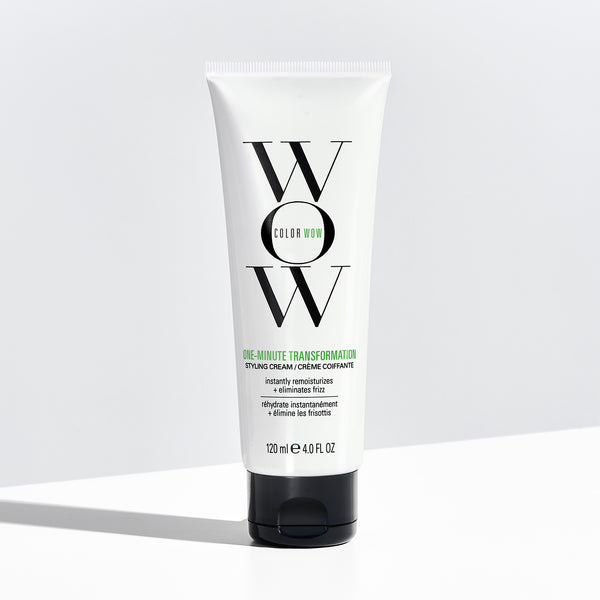
Then, keep hair properly conditioned and use targeted styling products, like One-Minute Transformation to tame charged flyaways.
5. For Winter Frizz: Create a Humidity-Resistant Finish

If frizz is the problem rather than electrical static, reach for Dream Coat Supernatural Spray.
Dream Coat is a lightweight, heat-activated anti-humidity spray that forms a water-resistant topcoat around the hair.
Apply to damp hair in sections, then activate the formula with a heated, tension blow-dry. The lightweight topcoat helps protect your style against humidity without weighing hair down.
Static and frizz may look similar, but they aren’t the same problem. Identifying which one you’re dealing with makes it much easier to choose the right solution.
6. For Split Ends and Breakage: Focus on Prevention

Once a split end has formed, it can’t be permanently repaired without cutting the affected hair. So, prevention matters.
Dream Cocktail Kale-Infused is a leave-in treatment designed to strengthen fragile hair. It helps reduce breakage by 50% in one blow-dry and provides heat protection.
Pair strengthening products with gentler handling, consistent conditioning, and appropriate heat protection to minimize further damage.
7. For Dull Winter Hair: Bring Back the Shine

When hair is dehydrated and the surface becomes rougher, it can lose some of the smoothness that helps it reflect light.
For an instant shine boost, Extra Mist-ical Shine Spray uses mullein to enhance shine and give dull-looking winter hair a glossier finish.
Give Your Hair the Winter Care It Deserves
From deep hydration to frizz control and damage repair, discover the Color Wow essentials to keep your hair looking its best all winter long.
Shop Winter Hair Essentials
Winter Hair Care FAQs
Does Hair Get Drier in Winter?
Yes. According to Dr. Joe, the very low humidity levels in cold air cause water molecules inside the hair to migrate out of the hair shaft, leaving hair feeling and looking dry.
Indoor heating can create another dry environment, further contributing to winter moisture loss.
Does Cold Air Damage Hair?
Cold winter conditions can leave hair dehydrated and more vulnerable to concerns such as frizz, split ends, and breakage. Physical stress from brushing, heat styling, hats, and scarves can add to the problem.
How Can I Protect My Hair from Cold Weather?
Keep hair hydrated and moisturized, condition consistently, reduce unnecessary heat exposure, use heat protection when styling, minimize friction, and adjust your treatments to tackle the specific issue you’re facing.
What Is the Best Winter Hair Treatment?
It depends on what winter is doing to your hair. If your primary concern is dehydration, prioritize hydrating and conditioning treatments.
If your hair is damaged as well as dry, a weekly repair and resurfacing treatment such as Dreaming may be more appropriate.
For between-wash dryness and unruly areas, a lightweight dry-hair styler such as One-Minute Transformation can help.
Should I Change My Shampoo in Winter?
Not necessarily. If your existing shampoo leaves your hair and scalp clean while meeting your hair’s moisture needs, there’s no reason to change products purely because the season has changed.
If your hair starts feeling noticeably drier during winter, you may benefit from a hydration-focused cleansing and conditioning routine.
How Often Should I Condition My Hair in Winter?
Dr. Joe recommends using a rinse-out conditioner and adding a leave-in conditioner to provide additional hydration and moisturization during winter.
How much additional conditioning you need depends on your hair type, condition, and level of dryness.
Why Does My Hair Get Staticky in Winter?
Dry winter conditions combined with friction from brushes, hats, scarves, sweaters, and other fabrics create ideal conditions for staticky hair.
Wool hats can contribute to even greater electrical charge buildup, according to Dr. Joe.
Does Hair Grow Faster in Winter?
No. Hair growth is influenced more by genetics, diet, and overall health than by the season.
Your Winter Hair Care Takeaway
The most effective winter hair care routine isn’t the one with the most steps. We recommend starting with the science.
Low humidity causes water to migrate out of the hair shaft, while dry indoor her amplifies the problem. Factor in the additional friction and styling stresses winter can bring. From there, pay attention to what your hair is telling you.
Dry? Prioritize hydration and moisturization. Damaged? Add targeted repair. Flat? Reach for weightless volume. Staticky? Reduce friction. Frizzy? Choose the right anti-frizz protection.
That’s the smarter way to build a winter hair routine: respond to the problem, protect against additional stress, and give your hair what it actually needs.