Air drying sounds like it should be the easiest way to style your hair: wash, leave it alone and let your natural texture do its thing.
And when summer temperatures rise (or anytime you simply want to give your blow dryer a break) it can be especially appealing.
But the results don’t always feel quite so effortless. Straight hair can fall flat, waves can lose their shape, curls can turn fluffy and undefined, and frizz can seem to appear out of nowhere.
The good news? Air drying itself isn’t necessarily the problem.
With expert insight from Color Wow Chief Chemist, Dr. Joe Cincotta, and styling tips from celebrity hairstylist Bradley Leake, we’re breaking down exactly how to air dry hair for smoother, more defined results—whatever your hair type.
Why Does Hair Get Frizzy When It Air Dries?
According to Dr. Joe, frizz forms when the hair's outermost layer (the cuticle) is already raised.
A lifted cuticle allows essential internal moisture to escape while simultaneously allowing environmental moisture to enter.
That combination causes the hair shaft to swell unevenly, creating the rough, fluffy texture we recognise as frizz.
"Heat styling can sometimes help press the cuticle flatter," explains Dr. Joe.
"Air drying doesn't provide that mechanical smoothing, so if the cuticle isn't healthy beforehand, hair dries exactly as it sits—rougher, puffier and more susceptible to humidity."
Damage from coloring, excessive heat styling, aggressive brushing and environmental exposure all contribute to a rougher cuticle over time.
Genetics also play a role, which is why some hair types naturally frizz more than others.
The good news is that frizz is preventable. Preparing the hair correctly before it dries makes all the difference.
Why Summer Is the Best Time to Air Dry Your Hair
Summer creates the perfect opportunity to embrace your natural texture, but it also has a few extra challenges.
Humidity, UV exposure, salt water and chlorine all affect the condition of your hair, making air drying slightly more unpredictable than during cooler months.
1. Humidity
Humidity doesn't create frizz. It exposes it. When the hair cuticle is raised or damaged, moisture from the air enters the hair shaft, causing strands to swell unevenly.
2. UV Exposure
Sun exposure gradually breaks down your hair's natural protective lipid layer, leaving strands drier, rougher and less able to retain moisture.
3. Salt Water
Salt water pulls moisture from the hair, leaving strands feeling rough and dehydrated if it isn't rinsed away.
4. Chlorine
Pool water can leave the cuticle feeling rough while contributing to dullness and color changes in color-treated hair. The result? Hair that's more likely to frizz or puff up while air drying.
The 3 Principles of Frizz-Free Air Drying
Whether your hair is straight, wavy, curly or coily, successful air drying always comes down to the same three principles. Get these right, and you're giving your hair the best chance to dry smoother, healthier, and less frizzy.
1. Start with a Smooth Cuticle
According to Dr. Joe, frizz begins with the cuticle. That's why the goal of any air-dry routine isn't simply to let your hair dry naturally; it's to help the cuticle stay as smooth as possible from the moment you step out of the shower.
Start by removing excess water with a microfiber towel or an old cotton T-shirt.
Pat your hair gently to dry it instead of rubbing it roughly, as friction can lift the cuticle and create unnecessary frizz before your hair even starts drying.
2. Work With Your Natural Texture
One of the biggest mistakes is trying to make your hair behave like a completely different hair type.
Celebrity stylist Bradley Leake recommends working with your natural texture instead of fighting it.
Straight hair benefits from techniques that encourage movement and body. Wavy hair needs help maintaining definition.
Curly and coily hair need moisture and techniques that preserve their natural curl pattern.
The more your routine complements your hair's natural texture, the better your air-dried results will be.
That’s why choosing the right technique and products for your hair type is so important.
3. Apply the Right Products Before Your Hair Dries
Air drying starts the moment you leave the shower. Applying your products while your hair is still damp gives them the best opportunity to moisturize, and support your natural texture as it dries.
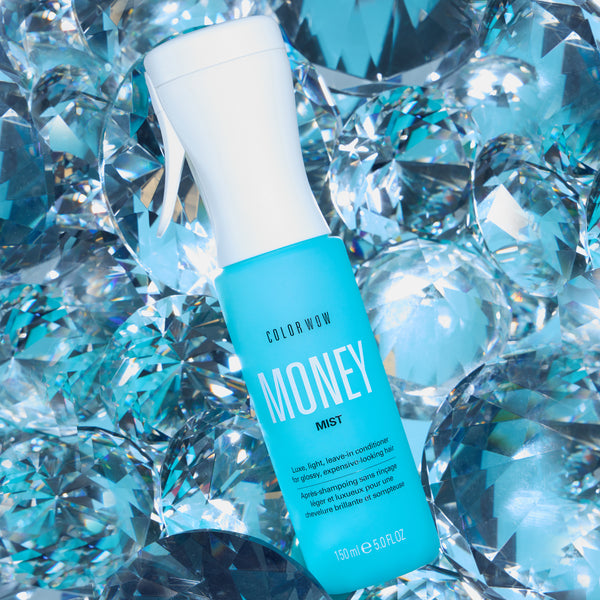
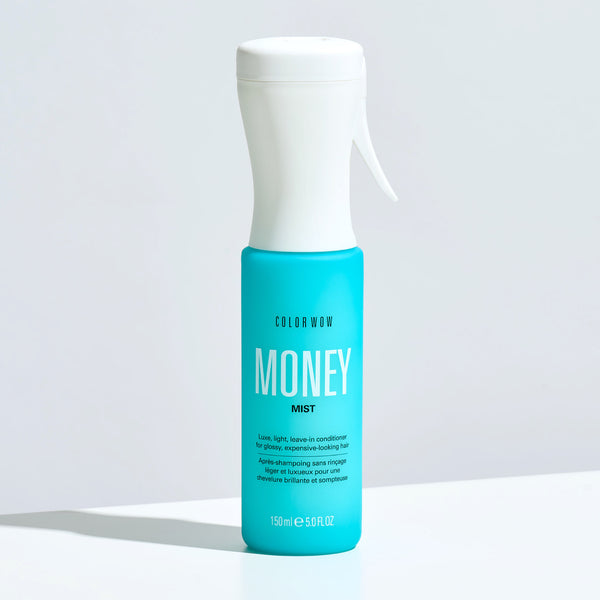
This lightweight, multi-tasking spray detangles, moisturizes, strengthens, smooths, and helps reduce frizz while creating the perfect foundation for the rest of your air-dry routine.
From there, choose styling products designed specifically for your hair type, whether you're enhancing waves, defining curls or adding movement to straight hair.
The Best Way to Air Dry Hair for Your Hair Type
While every texture benefits from a healthy, smooth cuticle, the styling techniques and products that give you the best results will vary depending on whether your hair is straight, wavy, curly or coily.
Here's how celebrity stylist Bradley Leake recommends working with your natural texture, not against it.
How to Air Dry Straight Hair
The challenge: Flat, limp hair with little movement
Unlike curls or waves, straight hair doesn't need more definition; it needs body and texture. Without the structure of a blow dry, straight hair can dry flat against your head, particularly in humid summer weather.
Bradley's tip? Instead of letting your hair dry completely loose, encourage gentle movement while it's drying.
Prep damp hair with a lightweight styling product, then loosely braid it into two low pigtails.
Once your hair is completely dry, undo the braids and gently separate the lengths with your fingers for soft, natural-looking texture.
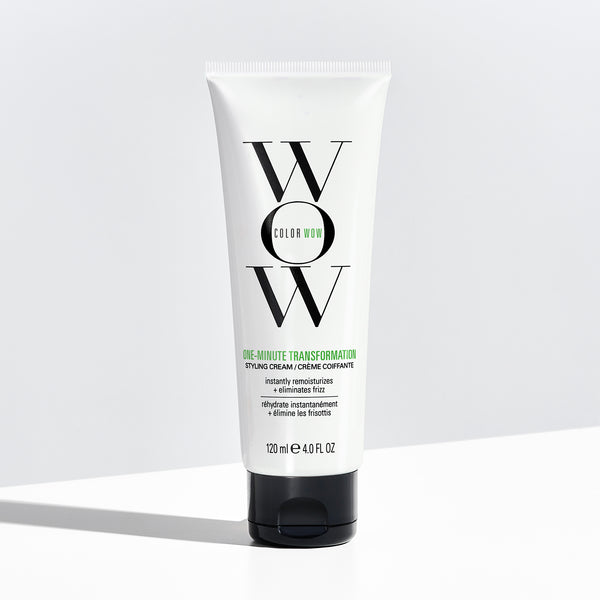
If you notice flyaways or bends after drying, smooth a small amount of One-Minute Transformation over dry hair to instantly polish the surface and create the look of a fresh blow-dry without reaching for hot tools.
How to Air Dry Wavy Hair
The challenge: Frizz, tangles, and inconsistent wave patterns
Wavy hair often sits somewhere between straight and curly, which means it can easily lose definition if handled too much while drying.
According to Bradley, one of the biggest mistakes is waiting until after you shower to detangle.
Instead, brush your hair while you're still in the shower using a Wet Brush or wide-tooth detangling brush before rinsing out your conditioner.
This removes knots while allowing your hair to settle back into its natural wave pattern as it dries.
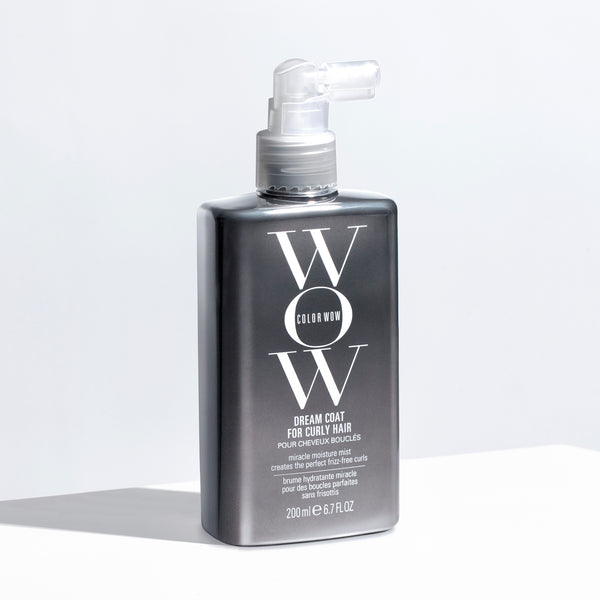
Once you've towel-dried your hair, apply Dream Coat for Curly Hair generously, section by section, making sure each section is fully saturated before gently scrunching your waves.
Unlike the original Dream Coat, which is designed for smooth blow-dries, Dream Coat for Curly Hair is specifically formulated for air drying or diffusing natural waves and curls. It moisturizes, defines, and controls frizz without leaving hair crunchy, sticky, or weighed down.
Then leave your waves alone. The less you touch them while they dry, the more defined they'll stay.
How to Air Dry Curly Hair
The challenge: Long drying times and frizz
Curly hair naturally takes longer to dry because its twists and bends make it more difficult for moisture to evaporate evenly.
That means patience and the right drying technique are essential.
Bradley recommends gently scrunching curls with a microfiber towel or an old cotton T-shirt immediately after washing to remove excess moisture without roughing up the cuticle.
One thing to avoid? Brushing. Brushing curly hair after washing disrupts the natural curl pattern and almost always leads to unnecessary frizz.
After applying your styling products, resist the temptation to keep touching your curls while they dry.
The more you handle them, the more likely you are to separate curl clumps and disturb definition.
How to Air Dry Coily Hair
The challenge: Moisture retention and definition
Coily hair is naturally the driest hair type because the scalp's natural oils have a much longer journey to travel down each strand.
That means successful air drying starts with replacing the moisture your curls aren't receiving naturally.
Start by applying Flo-etry Vital Natural Serum through damp hair, concentrating on the mid-lengths and ends. Think of Flo-etry as your scalp oil supplement, helping replenish moisture throughout the hair.
Follow with Shook Mix + Fix Bundling Spray. Shake well before use, then spray section by section before gently scrunching or shaping your curls.
Together, Flo-etry and Shook deliver intense hydration, glossy definition and long-lasting frizz control without stiffness or crunch.
Used together, this curl-care duo has been shown to reduce frizz by an average of 84%, while helping define and bundle curls for a softer, more polished finish.*
*Average results based on independent testing.
Shop All Air Dry Hair Products
Discover Color Wow products designed for air-dried hair.
The Biggest Air Drying Mistakes (and How to Avoid Them)
Sometimes getting better air-dried hair isn't about adding another product. It's about breaking habits that create frizz in the first place.
1. Rubbing Your Hair Dry
Traditional towel drying creates friction that lifts the cuticle.
Instead, gently squeeze or scrunch away excess water using a microfiber towel or cotton T-shirt.
2. Applying Products Too Late
Hair begins drying as soon as you leave the shower.
Apply leave-in products while your hair is still damp to help support your natural texture from the start.
3. Brushing Curly Hair
If you have curly or coily hair, detangle before rinsing out your conditioner, not after you've stepped out of the shower.
4. Constantly Touching Your Hair
One of the quickest ways to create frizz is repeatedly touching damp hair while it dries.
Once you've applied your products, let them do their work.
5. Choosing Products That Don't Match Your Hair Type
The products that create movement in straight hair won't necessarily define curls, and vice versa. Matching your styling products to your natural texture is key to successful air drying.
Air Drying FAQs
Is air drying better than blow drying?
Not always. Air drying avoids unnecessary heat exposure, but blow drying with the right products and technique can help smooth the cuticle and reduce frizz. The healthiest choice depends on your hair type, its condition, and how you're styling it.
Why does my hair get frizzy when I air dry?
Frizz occurs when the cuticle is raised, allowing moisture to leave your hair while environmental humidity enters the hair shaft. Air drying simply allows your hair to dry in its natural state, making existing cuticle damage more noticeable.
Should I brush my hair before air drying?
If your hair is straight or wavy, detangle it with a brush while you're still in the shower before rinsing out your conditioner. If your hair is curly or coily, avoid brushing once you're out of the shower, as this can disrupt your curl pattern and create frizz.
How do I air dry my hair without frizz?
Start by gently removing excess water, apply leave-in products while your hair is still damp, choose products designed for your hair type, and avoid touching your hair while it dries.
Can I air dry my hair every day?
Yes. Air drying can be a great styling option, particularly during summer. As long as your hair is properly moisturized and you're using products that help smooth the cuticle and support your natural texture, you can air dry every day.
Enjoy Your Best Air-Dried Hair Yet
Great air-dried hair is all about working with your natural texture, not against it.
By understanding why frizz happens, using the right techniques and choosing products designed for your hair type, you can skip the hot tools without sacrificing smoothness, definition or shine.
Whether you want effortless waves, defined curls or soft, smooth strands, the secret isn’t avoiding air drying—it’s knowing how to do it right.