How to Protect Hair from Chlorine Damage (and Why It Turns Hair Green)
Planning a pool day or heading on vacation? Protecting your hair from chlorine might not be top of your list—but it should be.
Because here’s the reality: chlorine can dry out your hair, weaken its structure, fade color, and even turn it green.
If you’re wondering:
What does chlorine do to your hair?
Does chlorine damage hair or affect hair dye?
How do you protect hair from chlorine?
We’ve got answers—plus expert insight from Color Wow Chief Chemist Dr. Joe Cincotta.
How Does Chlorine Affect Hair?

Chlorine is added to pools to kill bacteria—but when it reacts with metals (like copper) in the water, it forms compounds that cling to your hair.
This is what leads to green hair from chlorine—especially in blonde or lighter shades.
But discoloration isn’t the only issue.
Chlorine can also:
Strip away your hair’s natural moisture
Weaken internal protein bonds (leading to breakage and split ends)
Cause dryness, brittleness, and rough texture
Fade or alter hair color
Irritate the scalp
Dr. Joe says:

“Chlorine is a powerful oxidant used in laundry products to bleach your white clothes. When it comes in contact with hair while in a pool, it will easily enter the hair and begin breaking down your melanin and any artificial color, and cause color fadage.”
Does Chlorine Damage Hair?
Yes—especially with repeated exposure.
Chlorine doesn’t just sit on the surface. It penetrates the hair fiber, where it:
Breaks down protein bonds
Destroys lipids that keep hair hydrated
Leaves hair weaker, drier, and more prone to breakage
Over time, this damage builds—leading to rough, fragile, and dull-looking hair.

“Besides the color fadage, chlorine will also attack the keratin proteins in your hair, especially the disulfide bonds that give the hair strength and elasticity.
This will cause your hair to lose strength, become brittle and break easily,” says Dr. Joe.

Does Chlorine Affect Hair Dye?
Yes—and this is where the damage becomes even more noticeable.
Chlorine can:
Fade your color faster
Shift tones (especially blonde, gray, or light shades)
Increase porosity, leading to ongoing color loss
This is why protecting dyed hair from chlorine is essential—without protection, color fades faster, tones shift, and hair becomes more vulnerable over time.
How to Protect Hair from Chlorine (Before and After Swimming)

The best way to protect hair from chlorine is to prevent absorption before swimming and remove chlorine immediately after.
Before swimming: create a barrier
The goal is to stop your hair from absorbing chlorinated water.
Rinse your hair with clean water first
Hair acts like a sponge—if it’s already saturated, it absorbs less chlorine.
Apply a conditioner or leave-in treatment
This creates a protective barrier that helps shield the cuticle.
Wear a swim cap
It won’t keep hair completely dry, but it significantly reduces exposure.
After swimming: remove chlorine immediately
What you do after swimming is just as important as what you do before.
Rinse your hair straight away
The longer chlorine sits on your hair, the more damage it can cause.
Dr. Joe’s golden rule: “Never sit in the sun with chlorine in your hair. UV rays will accelerate damage, bleaching, and degradation.”

Use a gentle, non-stripping shampoo that rinses completely clean
A clean-rinsing, sulfate-free formula like Color Security Shampoo helps remove chlorine and buildup without stripping moisture or leaving anything behind on the hair or scalp.

Follow with a lightweight conditioner
Color Security Conditioner restores smoothness, hydration, and manageability without weighing hair down or interfering with your color.

Replenish moisture with a leave-in treatment like Money Mist
Chlorine strips essential lipids—this step helps restore softness, flexibility, and shine.
How to Get Chlorine Out of Hair (and Remove Green Tones)
If your hair has already been exposed, the first step is proper cleansing to remove chlorine and buildup—before targeting discoloration or damage.
But if you’re dealing with green tones, standard washing isn’t enough—you need to remove the minerals causing it.
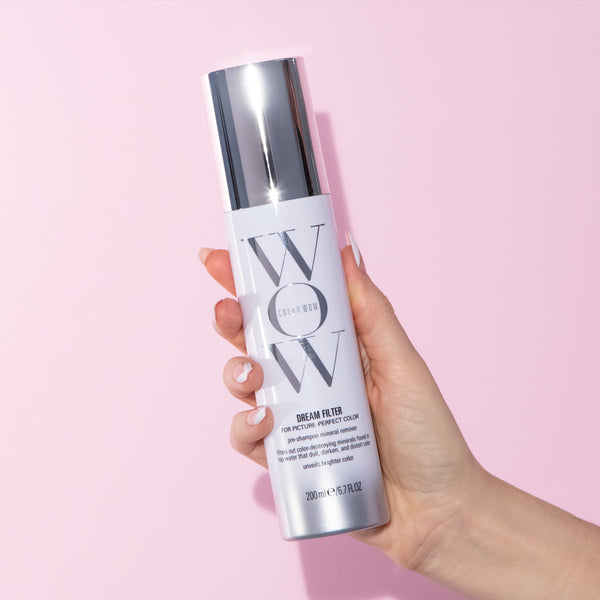
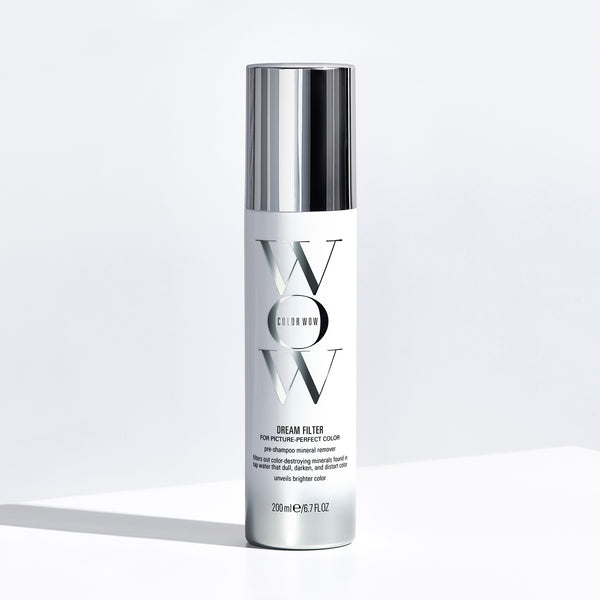
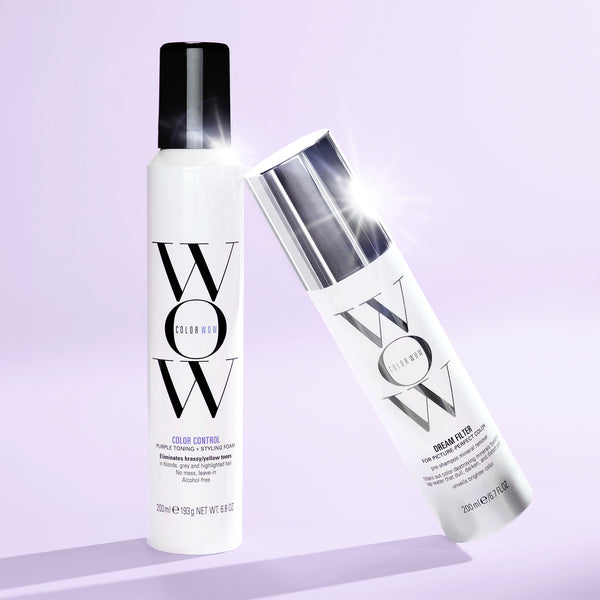
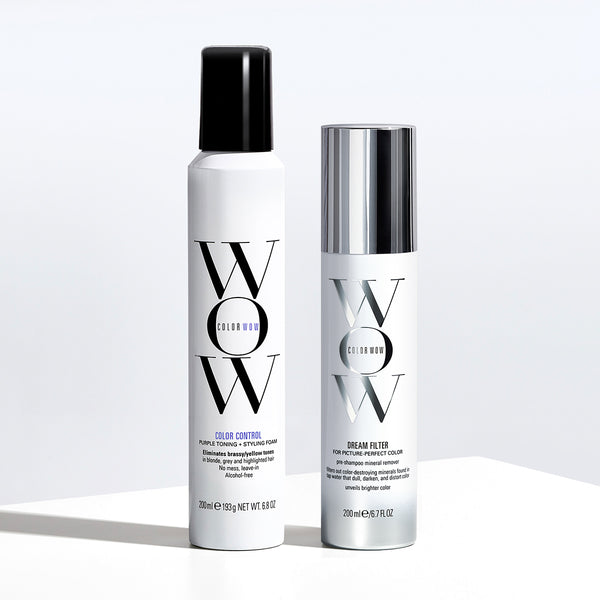
1. Dream Filter

This is your first line of defense against chlorine-induced green.
Dream Filter works like a magnet to lift and remove mineral deposits from your hair in just 1–3 minutes.
It’s gentle enough for even color-treated hair and safe for regular use.
Why it works:
Removes chlorine-related buildup
Eliminates the source of green tones
Restores brightness and clarity
Safe for color-treated hair
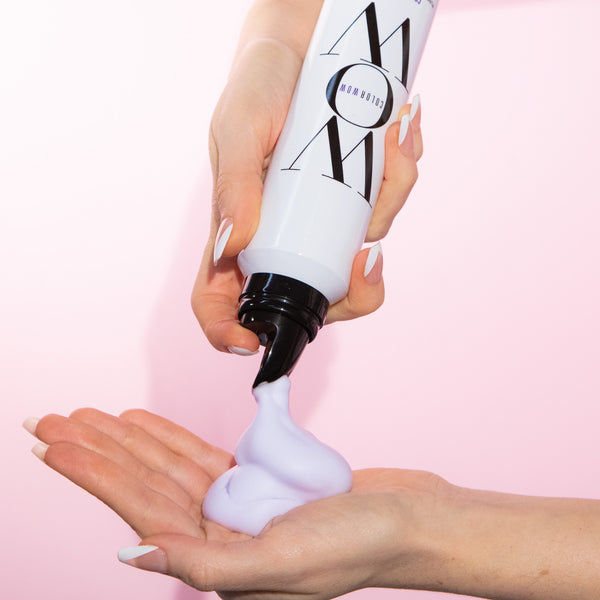
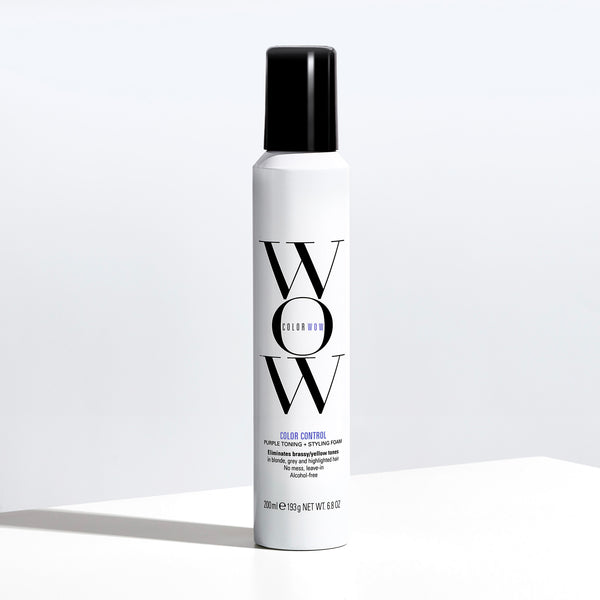
2. Purple Toning + Styling Foam

After detoxing with Dream Filter, use Purple Toning + Styling Foam to tone down any residual green, yellow, or brassy hues.
Unlike messy purple shampoos, this lightweight tinted foam is designed to stay in your hair—so it keeps working as you style.
Neutralizes green, yellow, and brassy tones
Leave-in formula (no rinse needed)
Smooths and refines the hair while styling
Together, they remove the problem—and then refine the result.

Why Chlorine Turns Hair Green
It’s not actually chlorine itself—it’s the reaction between chlorine and metals like copper in pool water.
These oxidized minerals bind to the hair—especially porous or color-treated strands—creating that green tint.
This is why lighter hair is more affected, and why targeted removal is key.
Chlorine Hair FAQs
How soon can you swim after coloring your hair?
It’s best to wait at least a week before swimming. Freshly dyed hair has open cuticles, making it more prone to damage and color fading. Waiting allows the cuticles to close and helps lock in your color.
Is green hair from chlorine permanent?
No, green hair from chlorine isn’t permanent. The green tint typically comes from oxidized copper and other minerals in pool water, not from the chlorine itself. These minerals bond to your hair and cause discoloration, especially in light or color-treated hair.
What happens if you leave chlorine in your hair overnight?
Leaving chlorine in your hair overnight can dry it out, cause breakage, fade color, and lead to green discoloration. Always rinse and cleanse your hair after swimming to prevent damage.
The Bottom Line

Chlorine exposure is unavoidable—but damage doesn’t have to be.
With the right routine, you can:
Prevent dryness and breakage
Protect your hair color
Remove chlorine effectively
Avoid green discoloration
It’s not about skipping the pool—it’s about protecting your hair from what’s in it.