How to Fix Bleach-Damaged Hair (Why It Feels Like Straw + What to Do)
Bleaching your hair can completely transform your look—but it can also leave your hair feeling dry, fragile, and, in some cases, like straw.
If you’re dealing with bleach-damaged hair, you’re not alone.
Common questions include:
According to Color Wow Chief Chemist Dr. Joe Cincotta, the key to fixing bleach damage starts with understanding what bleach actually does to your hair.
What Does Bleach Do to Hair?

Bleach works by opening the hair’s cuticle and breaking down melanin (your natural pigment) inside the strand.
But in the process, it doesn’t just remove color—it also removes essential components that keep your hair strong and healthy.
“Bleach strips away proteins, lipids, and moisture from the hair,” explains Dr. Joe. “It also breaks down keratin bonds, which are responsible for strength and elasticity.”
This leads to:
Why Does Bleached Hair Feel Like Straw?

One of the most common complaints is that hair feels like straw after bleaching.
This happens because bleach removes the natural oils and lipids that keep the cuticle smooth and flexible.
When those are gone:
The result? That dry, coarse, “straw-like” texture.
 "In order to lighten your strands, bleach needs to reach the melanin inside the shaft which controls the color of your hair. So, as the bleach enters the strand, the cuticle lifts which causes the hair to become rough, dull, and can create frizz.
It also impacts the proteins, especially keratin, which are like chains, responsible for hair’s strength and elasticity.
Once those keratin chains are broken down, they cannot be easily repaired or restored and hair strands lose strength and elasticity which can result in breakage."
What Does Bleach-Damaged Hair Look Like?

Signs of bleach damage include:
At this stage, hair is more fragile and prone to snapping—especially when brushed or styled.
How to Fix Bleach-Damaged Hair
If your hair feels dry, brittle, or like straw after bleaching, the goal isn’t to reverse the damage—but to improve how your hair looks, feels, and behaves over time.
Bleach damage cannot be permanently repaired.
Once internal protein bonds are broken, they can’t be fully restored—but with the right approach, you can strengthen, smooth, and protect the hair moving forward.
Step 1: Change Your Hair Habits First

Before reaching for products, it’s important to reduce the daily stress that contributes to ongoing damage.
Trim damaged ends regularly
Split ends will continue to travel up the strand if left untreated
Limit heat styling
Bleached hair is more vulnerable to heat—keep temperatures low and avoid repeated passes
Be gentle when detangling
Use a wide-tooth comb and work from the ends upward to reduce breakage
Avoid tight or high-tension styles
These can put stress on already weakened strands
Protect from environmental damage
Sun exposure and chlorine can further dry out and weaken bleached hair
These changes help prevent further damage and create the right conditions for improvement.
Step 2: Use the Right Products to Support Recovery

Once you’ve adjusted your habits, the right products can help improve your hair’s condition day to day.
Strengthen the hair
Dream Cocktail Kale-Infused helps reinforce the hair’s internal structure and reduce breakage during styling.
Restore hydration and flexibility
Bleached hair loses essential moisture and lipids, which is why it often feels dry, rough, and straw-like.
Start with a clean base
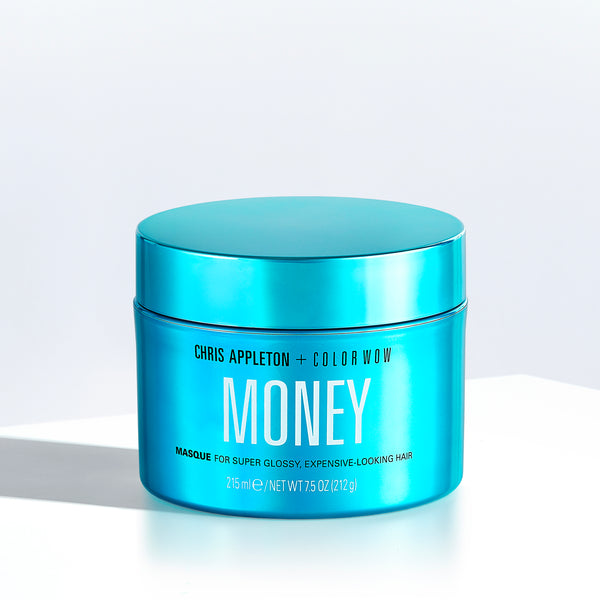
Buildup can sit on the surface of bleached hair and prevent moisture from penetrating. A reset system like Money Laundering Shampoo and Conditioner helps remove residue while keeping hair smooth, light, and manageable.

Layer in targeted hydration
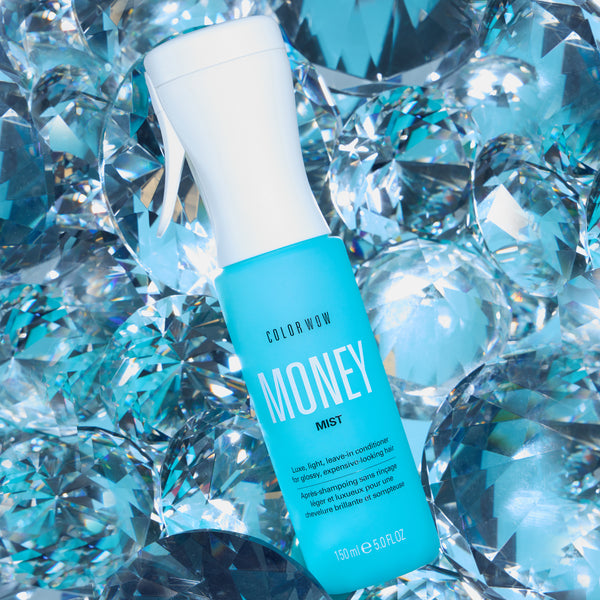
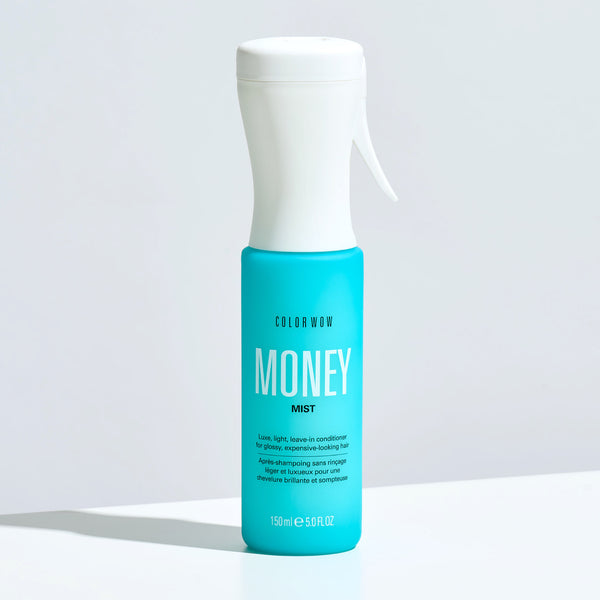
Once the hair is clean, treatments can more effectively absorb and support the hair’s condition.
Together, these steps form the Color Wow Money Routine—a system designed to improve hydration, enhance manageability, and leave hair looking smoother, glossier, and more polished overall.
Smooth and protect the surface
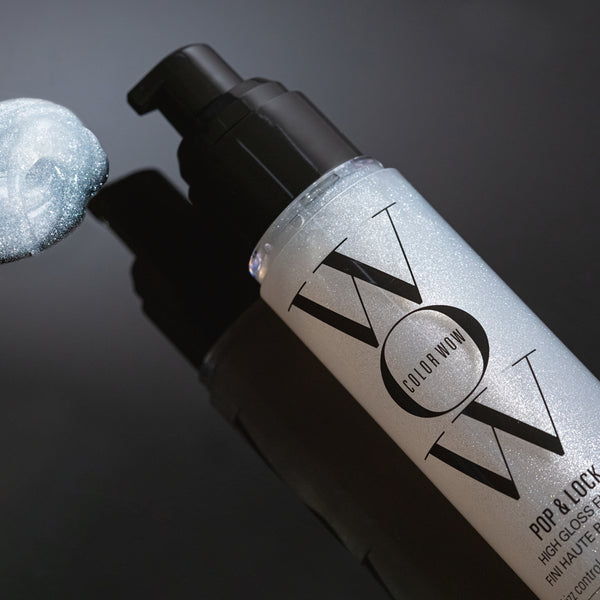
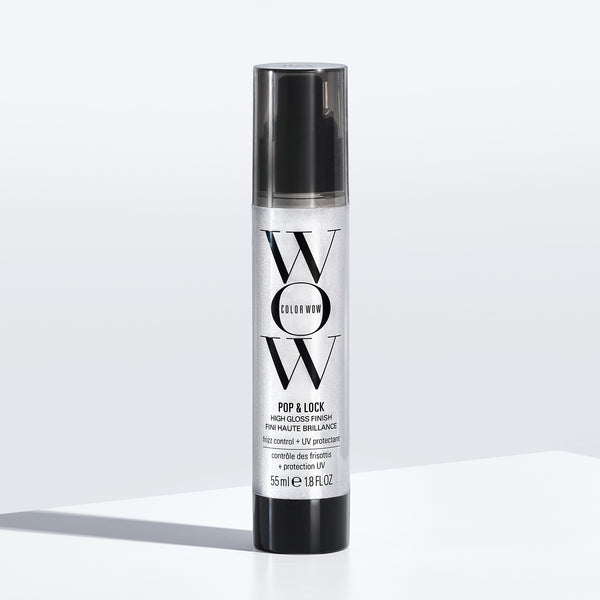
Pop & Lock High Gloss Finish helps smooth the cuticle, reduce the appearance of split ends, and add shine while protecting against UV and heat.
Does Bleaching Your Hair Damage It Forever?

Bleaching can cause significant damage—but it’s not permanent in the sense that new, healthy hair will grow from the root.
However, the bleached portions of your hair are permanently altered and cannot return to their original state.
How Long Does Bleach-Damaged Hair Take to “Repair”?
Recovery time depends on severity of damage, hair type, and ongoing care. While you can improve your hair’s condition quickly, full recovery often involves:
The Bottom Line
Bleaching changes your hair at a structural level. That damage can’t be undone—but it can be managed.
With the right combination of strengthening, hydration and protection, you can transform dry, brittle, straw-like hair into smoother, healthier-looking strands—and keep it that way.