

Summer Blonde Hair Damage: How to Repair Dry, Fried Blonde Hair After Sun, Salt Water & Chlorine
Summer is great for blonde hair—until it isn't.
Long days in the sun, salt water swims, chlorine-filled pools, and hours spent outdoors can leave blonde hair looking brighter at first, but by the end of the season, the effects are often impossible to ignore.
Dryness, breakage, faded color, green tones, and rough, straw-like strands are all common signs of damaged blonde hair.
The good news? Most damage is preventable, and much of it can be improved with the right repair routine.
Whether your blonde feels fried after too many beach days, has picked up a green tinge from the pool, or simply isn't looking as healthy as it did at the start of summer, here's how to repair blonde hair damage and restore softer, stronger, healthier-looking strands.
Why Does Blonde Hair Get Damaged More Easily in Summer?
Blonde hair is naturally more vulnerable to damage than dark or non-color treated virgin hair because the lightening process makes it more porous.
During summer, that damage can accelerate. UV exposure, salt water, chlorine, and repeated washing all strip away moisture and leave the hair more susceptible to dryness, fading, breakage, and mineral buildup.
The result? Blonde hair that feels rough, looks dull, and becomes increasingly difficult to manage.
Fortunately, once you know what's causing the damage, it's much easier to treat it.
Summer Hair Problem #1: Your Blonde Feels Dry and Fried After Salt Water Swimming
Salt water can leave hair feeling full of texture and body, giving you those effortless beachy waves we all love. The downside? Repeated exposure to salt water gradually pulls moisture from the hair, leaving blonde strands dry, brittle, and straw-like by the end of summer.
If your blonde feels fried, restoring moisture should be your first priority.
 Dreaming Advanced Repair & Resurfacing Treatment

Summer Hair Problem #2: Your Blonde Has Turned Green Post Pool
Spent the afternoon in the pool only to notice a green tinge appearing in your blonde? You're not imagining it.
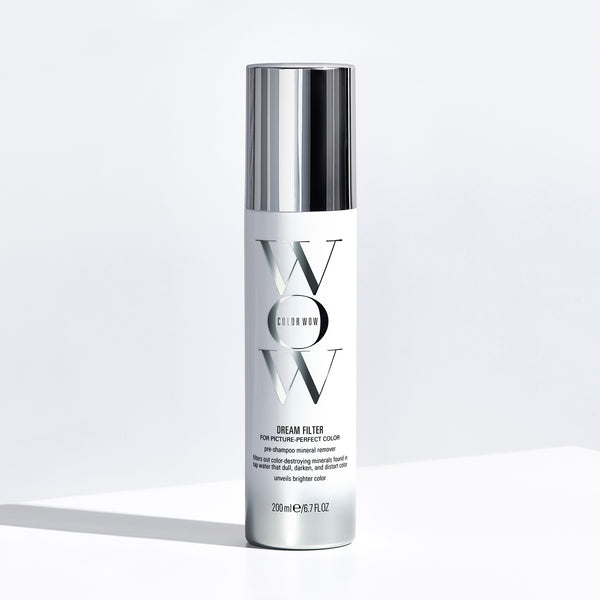
Chlorine is used to disinfect swimming pools, but it's the oxidation of minerals (particularly copper) in the water that causes blonde hair to develop a green cast.
The solution is to remove those minerals before they have the chance to build up.


Summer Hair Problem #3: Your Blonde Looks Dull, Dry, or Faded

Hours spent in the sun can leave blonde hair looking less vibrant than it did at the beginning of summer.
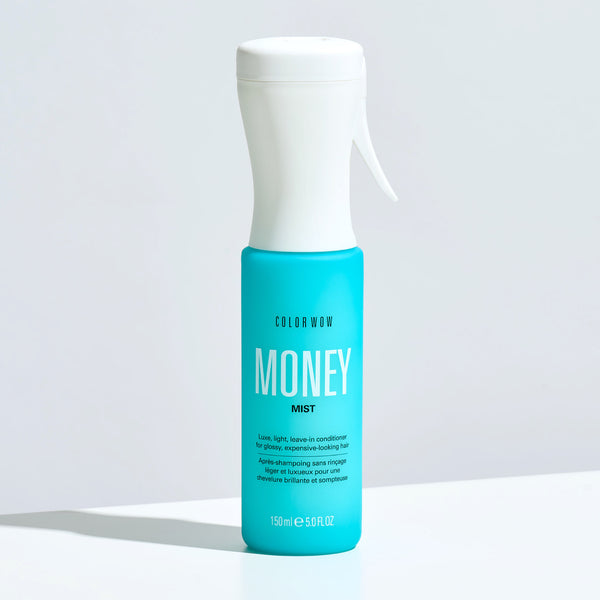
UV exposure, environmental stress, and dehydration all contribute to color that appears flatter, duller, and less reflective. Rather than simply masking the problem, focus on restoring the health of the hair itself.


Upgrade Your Wash Day
Give your hair the care it deserves with Color Wow wash day essentials, designed to cleanse, condition, hydrate, and keep your hair looking its healthiest.
Shop All Wash Day EssentialsSummer Hair Problem #4: Your Blonde Hair Keeps Breaking

Lightening hair is one of the biggest contributors to hair damage. Add months of sun exposure, heat, and dehydration, and you may notice more breakage and split ends than usual.
Unfortunately, split ends can't be permanently repaired. Once the hair has split, the only long-term solution is to trim it away.
If you've noticed your blonde ends becoming thin, frayed, or splitting further up the hair shaft, a post-summer trim is one of the best things you can do for the overall health of your hair.
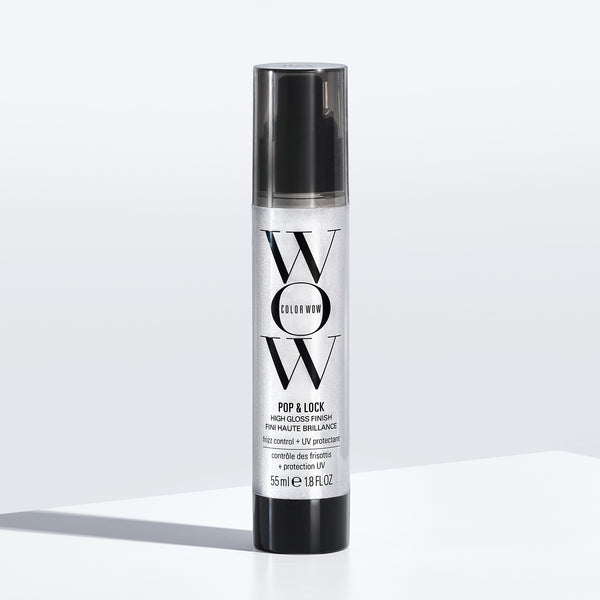
In the meantime, Pop & Lock High Gloss Finish helps temporarily seal the look of split ends while smoothing the cuticle and adding brilliant shine, making damaged ends appear healthier until your next salon appointment.

Summer Hair Problem #5: Your Blonde Looks Overprocessed

Summer sunshine can subtly change the appearance of blonde hair.
Heat and UV exposure can continue to lighten previously bleached hair, washing out the soft undertones that give blonde color its depth and dimension.
Professional colorists will tell you that even the coolest platinum blonde relies on subtle underlying tones to keep it looking natural.
When those tones fade, blonde hair can begin to look flat, washed out, or overprocessed.
If your blonde feels too light after summer, speak to your colorist about introducing lowlights to restore depth and dimension while complementing your complexion heading into autumn.
Can Damaged Blonde Hair Be Repaired?
The answer depends on the type of damage. Dryness, dehydration, dullness, rough texture, and mineral buildup can all be significantly improved with the right products and routine.
Weekly repair treatments, lightweight hydration, and regular mineral removal all help restore softer, shinier, healthier-looking blonde hair. Split ends, however, are different. Once the hair fiber has split, it can't be permanently repaired.  Products can temporarily smooth or seal the appearance of split ends, but the only long-term solution is to trim them away before they continue travelling further up.
The key is treating damage early. The sooner you replenish moisture, strengthen the cuticle, and protect your blonde, the easier it is to maintain healthier hair between salon visits.
Keep Brassiness in Check
Keep your color looking fresh, bright, and vibrant with Color Wow essentials designed to tackle unwanted brassy tones and help maintain your best-looking blonde.
Shop Brassy Hair SolutionsBlonde Hair Damage FAQs
Why does blonde hair get damaged so easily?
Lightening makes hair more porous, leaving it more vulnerable to moisture loss, UV exposure, heat styling, and environmental damage.
How do you repair damaged blonde hair?
Repair starts with identifying the cause of the damage. Weekly repair treatments, regular hydration, removing mineral buildup, and trimming split ends all help improve the look and feel of damaged blonde hair.
Can fried blonde hair be repaired?
Hair that feels dry or "fried" can often be improved with intensive conditioning and repair treatments that smooth and strengthen the cuticle. However, split ends cannot be permanently repaired and will eventually need trimming.
Why does chlorine turn blonde hair green?
Chlorine itself isn't responsible for the green color. It's the oxidation of copper and other minerals in pool water that creates the green tint often seen on blonde hair.
How do I protect blonde hair from summer damage?
Limiting UV exposure, rinsing your hair after swimming, removing mineral buildup regularly, using weekly repair treatments, and keeping hair well hydrated can all help minimize summer blonde hair damage.


