Why Is My Hair Brassy? The Real Causes (and How to Actually Fix It)
Brassy hair has become one of the most common hair color complaints — but also one of the most misunderstood.
Most people think brassiness simply means their blonde "turned yellow." In reality, brassy hair is often a sign that your hair's surface, pigment balance, and even mineral exposure have changed.
That’s why brassiness can happen to:
- Natural blondes
- Highlighted hair
- Brunettes
- Gray hair
- White hair
- Balayage
- Bleached hair
- Uncolored hair
So if your hair suddenly looks warmer, yellower, orange, duller, or less "expensive" than it used to — you're not imagining it.
To explain what's really happening, we spoke with Color Wow Chief Chemist Dr. Joe Cincotta.
What Is Brassy Hair, Really?

Brassy hair refers to unwanted warm tones that appear when cool or neutral tones fade, become distorted, or are visually overpowered.
Depending on your starting shade, brassiness can show up as:
The lighter your hair is, the more obvious these shifts become.
Brassiness is not always a color problem alone. It's often a surface condition problem, too.
When the cuticle becomes roughened, oxidized, dehydrated, or coated in mineral buildup, hair reflects light differently — making warm pigments appear much more visible.
That's why hair that once looked icy, beige, or bright can suddenly start looking dull, yellow, flat, murky, or orange.
Why Hair Naturally Wants to Turn Warm
According to Dr. Joe:

That’s because cool-toned color is actually less stable than warm pigment.
As color fades or hair becomes compromised, the underlying warm pigments become more visible again.
Why Some Brassiness Looks Yellow — While Other Brassiness Looks Orange

This is one of the biggest sources of confusion around brassy hair. Not all brassiness looks the same because different starting hair colors expose different underlying pigments.
Yellow Brassiness
Usually appears in:
Orange Brassiness
Usually appears in:
Copper or Rusty Brassiness
Usually appears in:
Understanding which type of brassiness you have matters — because not all brassiness should be treated the same way.
The 7 Biggest Causes of Brassy Hair


Why Purple Shampoo Isn’t Always the Best Solution
Purple shampoo has become the default answer for brassiness.
But according to Dr. Joe, it's often overused — and sometimes creates new problems.
The problem?
How to Get Rid of Brassy Hair Without Damaging It Further
1. Remove Mineral Build-Up First
Before toning, it's crucial to remove the buildup that may be distorting your color.
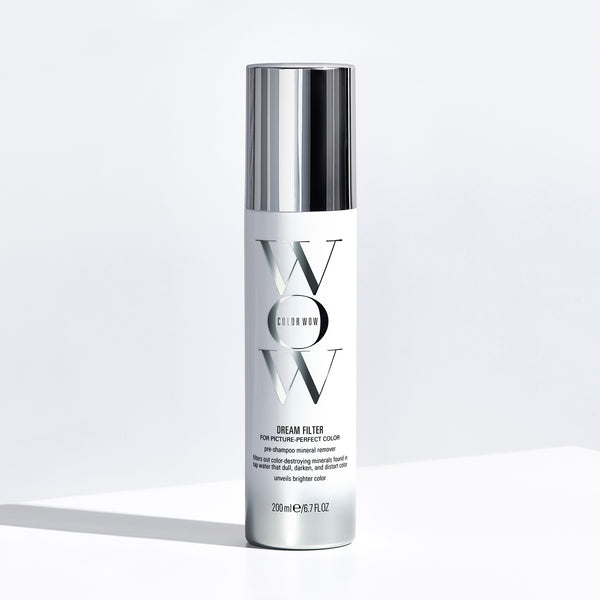
Dream Filter Pre-Shampoo Mineral Remover acts like a magnet to lift away iron, copper, chlorine, and pollution particles in just 3 minutes.
2. Use a Truly Residue-Free Shampoo
One major reason brassiness keeps returning is residue accumulation.
Color Security Shampoo is specifically designed to leave behind zero residue that can dull, darken, or distort color.
Unlike heavy shampoos that coat the hair, it keeps the cuticle clean and reflective — helping maintain cooler-looking tones longer.
3. Tone Strategically — Not Aggressively
If you do need tone correction, a leave-in toning approach is often more controlled than heavily pigmented shampoos.
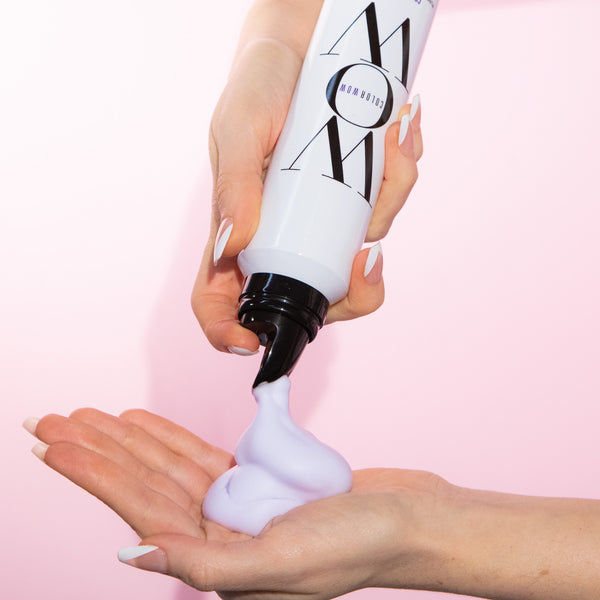
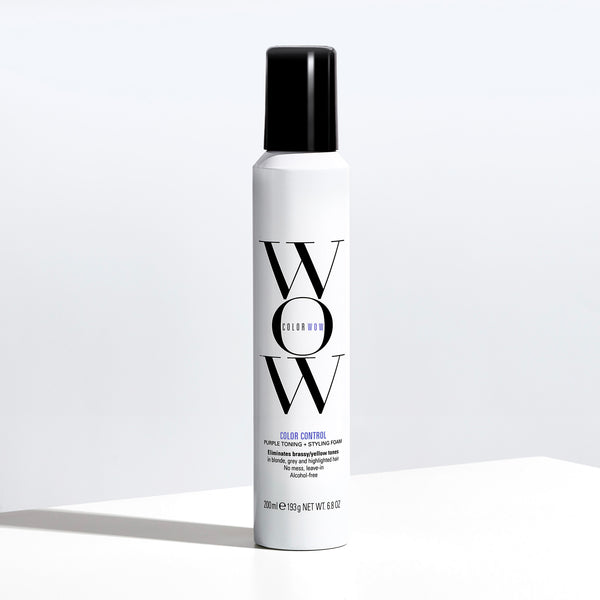
Color Control Purple Toning + Styling Foam helps neutralize unwanted warmth while also styling the hair.
Because it's lightweight and targeted, you can control where brassiness gets corrected instead of saturating the entire head unnecessarily.
4. Protect Hair From UV Exposure
UV exposure continuously re-oxidizes hair.
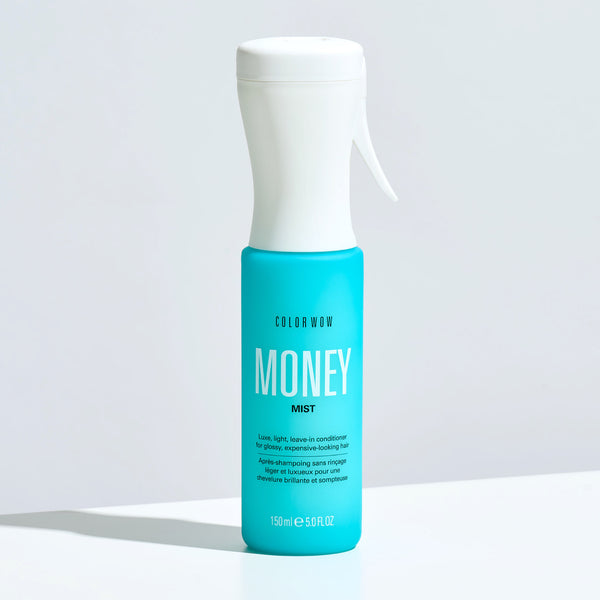
Money Mist delivers lightweight hydration and heat protection, while Pop & Lock High Gloss Finish helps seal the cuticle and boost reflective shine.
5. Keep Hair Deeply Hydrated
Dry hair exaggerates brassiness.
Hydrated hair reflects light more evenly and keeps the cuticle flatter, smoother, and glossier.
Money Masque deeply replenishes dehydrated strands without leaving behind the heavy buildup that can cloud blonde tones over time.
Why Brassiness Keeps Coming Back
This is the part most people don't realize: brassiness is ongoing because the causes are ongoing.
Every day your hair is exposed to:
It's about maintaining the conditions that keep hair bright, reflective, and healthy.
Focus on protecting:
The healthier and smoother your hair stays, the cooler and brighter your color will continue to look.
The Brassy Hair Recap
Brassy hair is not simply a failed salon color or fading blonde. It’s often the visible result of oxidation, mineral buildup, dehydration, environmental exposure, and surface damage changing the way your hair reflects light.
That’s why truly fixing brassiness requires more than just depositing purple pigment.
When the surface of the hair is clean, hydrated, and protected, cool tones naturally look brighter, fresher, and more expensive-looking again.