What Causes Split Ends (and Can You Actually Repair Them?)
Struggling with hair breakage, frayed ends, or split ends that keep coming back no matter what you do? You’re not alone.
 If you’re wondering what causes split ends, how to stop them, and whether they can actually be repaired, the answer starts with understanding what’s really happening inside your hair.
According to Color Wow Chief Chemist Dr. Joe Cincotta, split ends aren’t random—they’re the visible result of structural damage.
In this guide, we break down:
What Causes Split Ends?
Split ends happen when the hair’s protective outer layer—the cuticle—becomes damaged or worn away. Once this occurs, the internal structure of the hair weakens, causing the strand to fray, split, or break.
“Hair is made up of protein structures held together by cystine bonds,” explains Dr. Joe. “When those bonds are broken—through heat, chemicals, or physical stress—the hair loses strength and begins to split.”
There’s no single cause—split ends are typically the result of repeated stress on the hair over time.


What Do Split Ends Look Like?
Split ends aren’t always obvious at first—but once you know what to look for, they’re easy to identify.

What Do Split Ends Look Like on Curly Hair?
Curly hair is especially prone to split ends due to its natural structure.

How to Prevent Split Ends (According to Experts)
Prevention is the most effective way to deal with split ends.
1. Control Heat Exposure
Limit how often you use hot tools and avoid temperatures above 380°F. Even with protection, repeated high heat weakens hair over time.
2. Keep Hair Hydrated
Moisture is essential for maintaining flexibility. Hydrated hair bends—dry hair breaks. Use:
Deep conditioning masks
Leave-in treatments
Gentle, sulfate-free shampoos
3. Avoid Mechanical Stress
A few tips to minimize friction and avoid daily wear-and-tear include:
Detangle gently, especially when hair is wet
Avoid aggressive brushing
Limit tight styles that pull on strands
4. Strengthen Hair from Within
To prevent split ends long-term, you need to reinforce the hair’s internal structure—not just coat the surface.
1. Dream Cocktail Kale-Infused
Strengthens internal bonds and reduces breakage


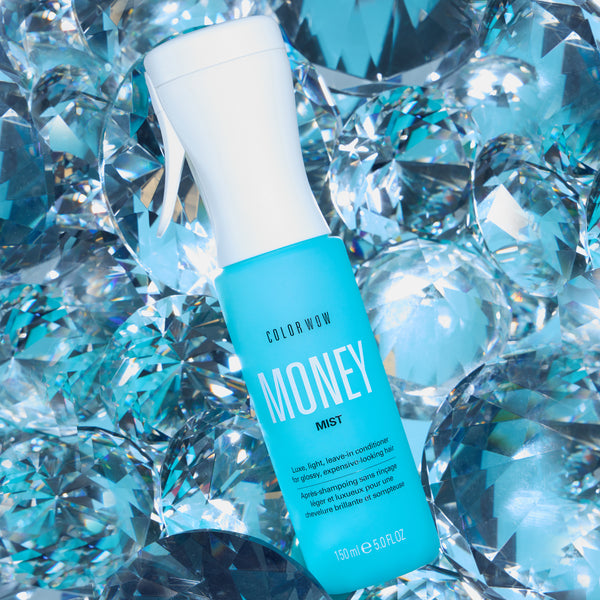
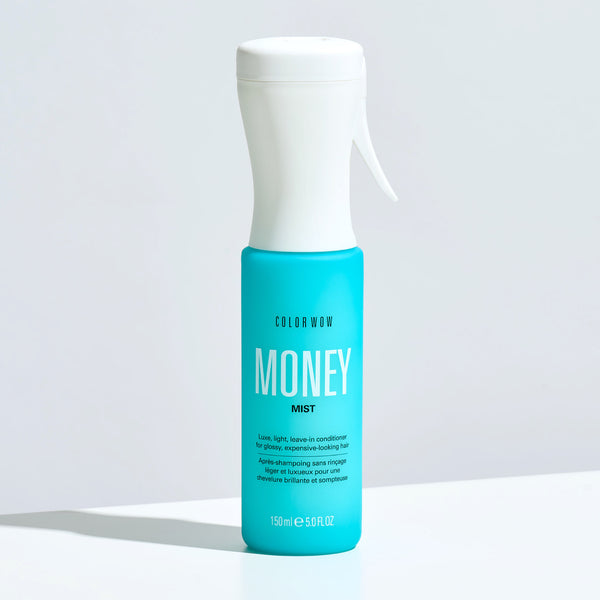
2. Money Mist
Improves elasticity, hydration, and overall resilience

3. Dreaming Advanced Repair & Resurfacing Treatment
Smooths, fills, and seals the cuticle—helping block humidity and prevent the puffing, fraying, and splitting that lead to visible damage


Can Split Ends Be Repaired?
Here’s the truth: split ends cannot be permanently repaired.
Once the hair shaft splits, it cannot be fused back together—the only permanent solution is to trim them off.
However, you can instantly improve how split ends look by smoothing and sealing the hair’s surface.
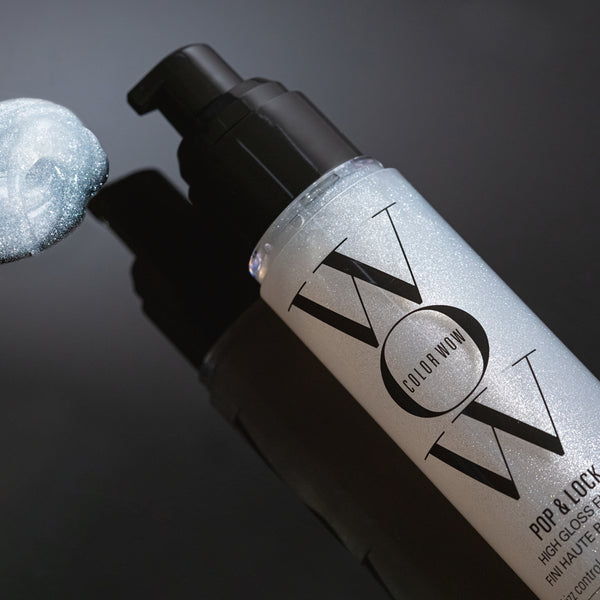
Pop & Lock High Gloss Finish is the go-to solution.
It combines the penetrating benefits of oils with the sealing power of a serum to temporarily bind frayed ends together, smooth the cuticle, and add high-gloss shine—without weighing hair down.

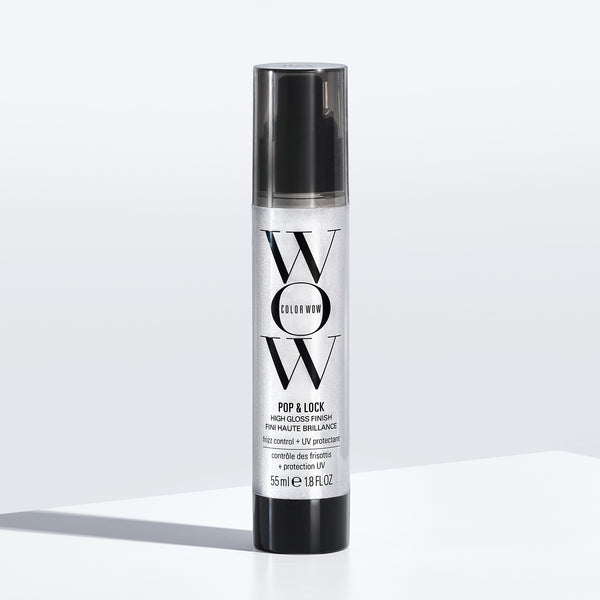
Think of it this way: you can’t reverse a split—but you can seal and smooth it instantly so hair looks healthier, more polished, and less damaged.
Split Ends FAQs
Do split ends cause hair loss?
Dr. Joe explains, “No. Hair loss is an issue that is occurring in the follicle deep beneath the skin. While split ends on their own do not cause hair loss, excessive breakage and damage from untreated split ends will make it difficult to grow longer hair.”
Do split ends stop hair growth?
No, split ends do not stop your hair from growing. However the only permanent cure for split ends is to cut them off. So between premature breakage and the need for more frequent haircuts, it is difficult to ever grow long hair.
Are split ends normal?
While split ends are a common hair problem, they are not a natural or healthy occurrence. Split ends indicate damage to the hair shaft, whether from external factors or internal issues such as lack of moisture or excessive heat styling.
The Bottom Line
Split ends aren’t random—they’re the result of accumulated damage to your hair’s structure.
Understanding what causes them is the first step. Preventing them is the real solution.
And while you can’t permanently repair a split end, you can dramatically improve how your hair looks, feels, and behaves with the right combination of hydration, strength, and cuticle protection.